
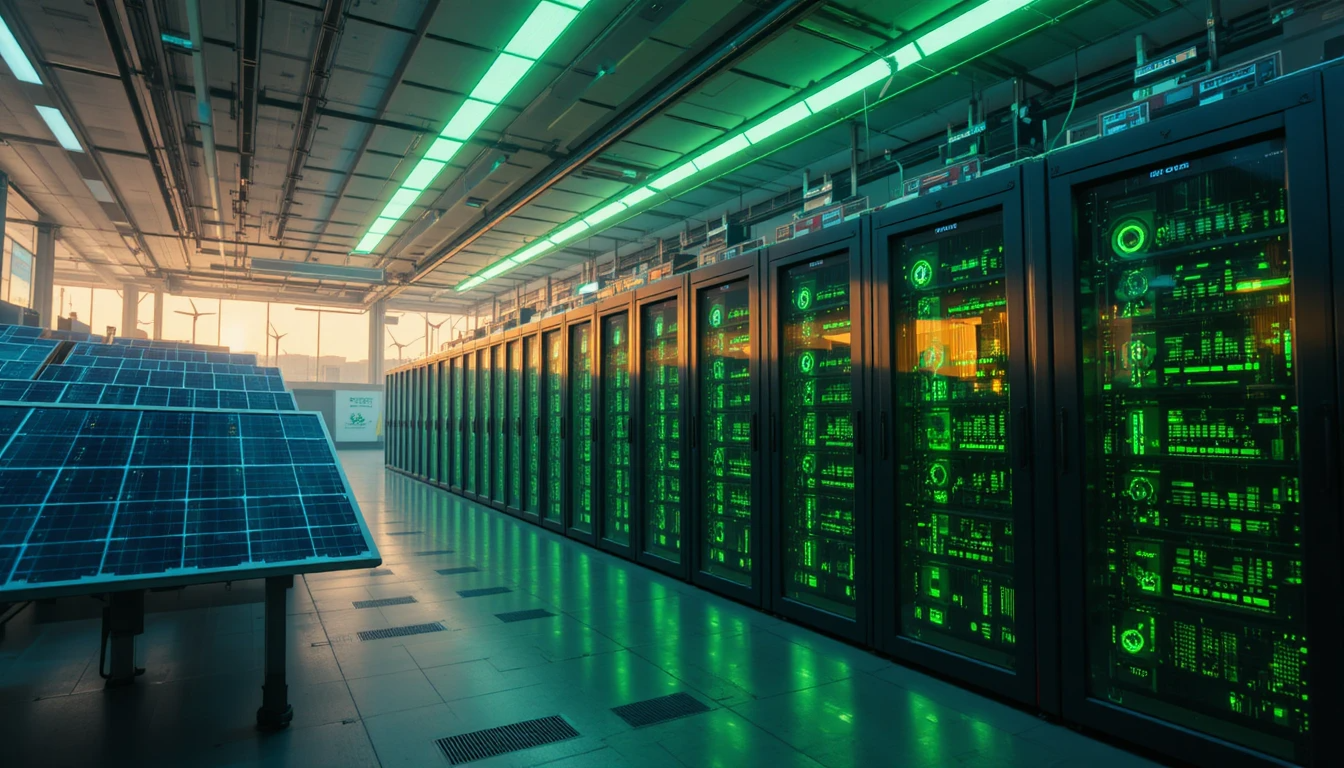
In an era where data centers consume more electricity than entire countries, the push for sustainability has never been more urgent. Green Data Center Innovations are transforming how we build, operate, and scale these digital powerhouses. By integrating cutting-edge technologies and smart design principles, these advancements promise to slash energy use, reduce carbon footprints, and make data infrastructure eco-friendly without sacrificing performance. Let’s dive into the key breakthroughs driving this revolution.
The Growing Need for Green Data Center Innovations
Data centers are the backbone of our digital world, powering everything from cloud computing to AI models. Yet, they guzzle energy—global data center electricity demand hit 460 terawatt-hours in 2022, projected to double by 2026. Traditional setups rely on power-hungry cooling systems and fossil fuel backups, contributing to 2-3% of worldwide greenhouse gas emissions.
Enter Green Data Center Innovations. These aren’t just buzzwords; they’re practical solutions addressing the triple bottom line: people, planet, and profit. Companies like Google and Microsoft are leading the charge, achieving carbon-neutral operations through innovative retrofits and new builds. The result? Data centers that align with net-zero goals while handling exponential data growth from IoT, 5G, and edge computing.
Advanced Cooling Technologies in Green Data Center Innovations
Cooling accounts for up to 40% of a data center’s energy bill. Green Data Center Innovations are revolutionizing this with liquid immersion and free-air cooling. In immersion cooling, servers dunk into non-conductive dielectric fluids that absorb heat far more efficiently than air. A single immersion tank can cool hundreds of servers, cutting energy use by 95% compared to traditional methods.
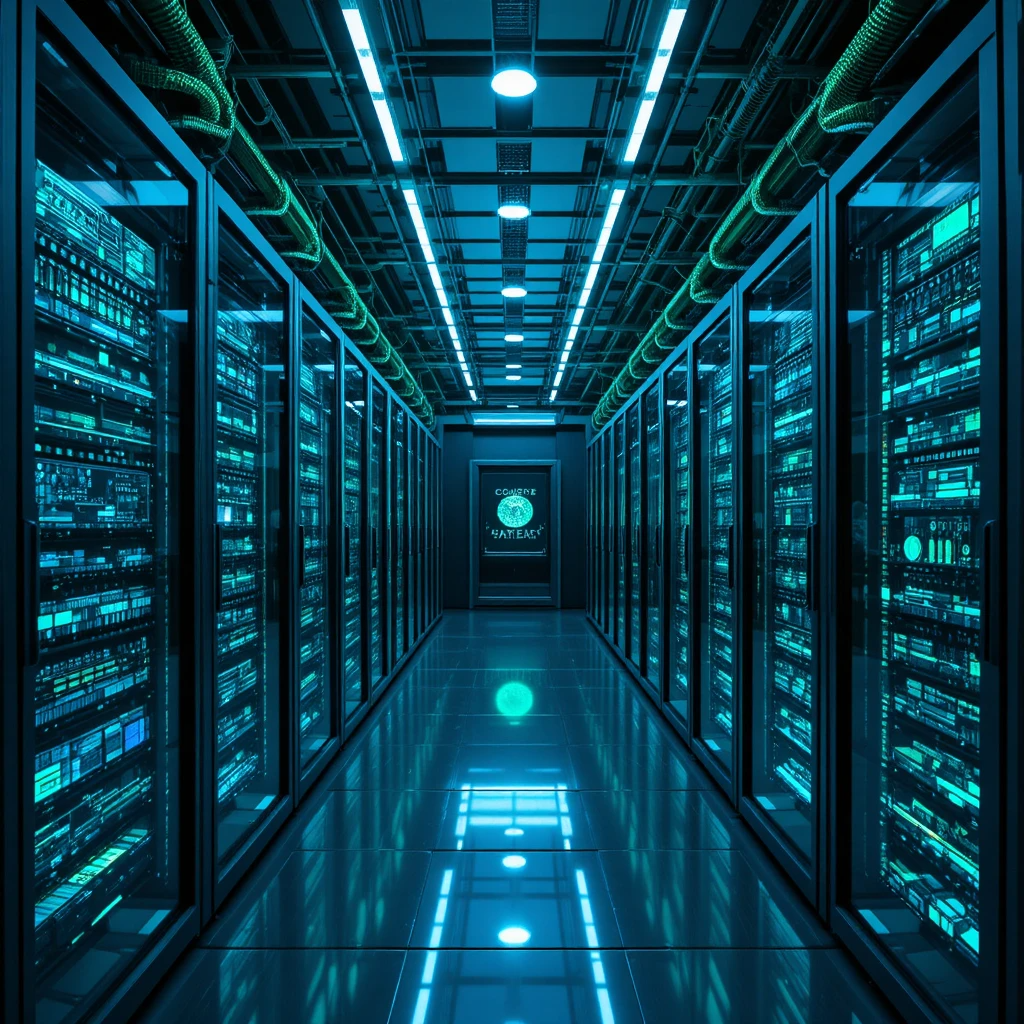
Take Microsoft’s Project Natick: submerged data centers off Scotland’s coast used seawater for cooling, operating flawlessly for two years with zero mechanical chillers. Free-air cooling draws in ambient outdoor air, viable in cooler climates or high-altitude sites. Hybrid systems combine these with AI-optimized fans, dynamically adjusting based on real-time heat maps. These Green Data Center Innovations not only save power but extend hardware life by reducing thermal stress.
Renewable Energy Integration and Power Efficiency
No discussion of Green Data Center Innovations is complete without renewables. Hyperscalers are pairing solar farms and wind turbines directly with facilities. Google’s Finnish data center runs on 100% renewable hydropower, while Amazon’s Virginia hubs tap into offshore wind. On-site microgrids with battery storage ensure uptime during lulls, using lithium-ion or emerging solid-state batteries.
Power Usage Effectiveness (PUE)—a key metric—measures efficiency (ideal is 1.0). Green Data Center Innovations push PUE below 1.1 via high-voltage direct current (HVDC) distribution, which minimizes transmission losses. AI algorithms forecast demand, shifting workloads to off-peak renewable surges. Edge data centers, smaller and localized, further cut transmission waste by processing data near the source.
Sustainable Materials and Modular Design
Building green starts with materials. Green Data Center Innovations favor recycled steel, low-emission concrete, and bio-based insulators. Modular prefabricated units assemble like Lego, slashing construction emissions by 30% and enabling rapid deployment. These “data center in a box” pods scale incrementally, avoiding overbuilds.
Circular economy principles shine here: old servers get refurbished or recycled, with rare earth metals reclaimed. Innovations like sodium-ion batteries replace lithium-dependent ones, reducing mining impacts. Water-wise designs recycle graywater for cooling towers, vital in drought-prone areas.
AI and Automation Driving Green Data Center Innovations
Artificial intelligence supercharges efficiency. Machine learning models predict failures, optimize airflow, and balance loads across global networks. DeepMind’s AI reduced Google’s cooling energy by 40% by tweaking fan speeds every few minutes—adjustments humans couldn’t match.
Edge AI processes data locally, minimizing cloud round-trips. Blockchain enables peer-to-peer energy trading, where data centers sell excess renewables. Digital twins—virtual replicas—simulate upgrades, testing Green Data Center Innovations virtually before real-world rollout.
Case Studies: Real-World Wins
Real examples prove the impact. Apple’s Iowa data center uses 100% renewable energy, powering 1 million devices with wind power. It pioneered biogas from nearby farms, turning waste into electricity. PUE sits at 1.02, a benchmark for Green Data Center Innovations.
Equinix’s Singapore hub deploys direct-to-chip liquid cooling, handling high-density AI racks while staying water-neutral. These successes show scalability: what works for giants benefits SMEs too, via colocation services.
Challenges and the Path Forward
Despite progress, hurdles remain. Upfront costs deter retrofits, intermittency plagues renewables, and supply chain bottlenecks slow chip efficiency gains. Regulations vary—Europe’s Green Deal mandates reporting, but the U.S. lags.
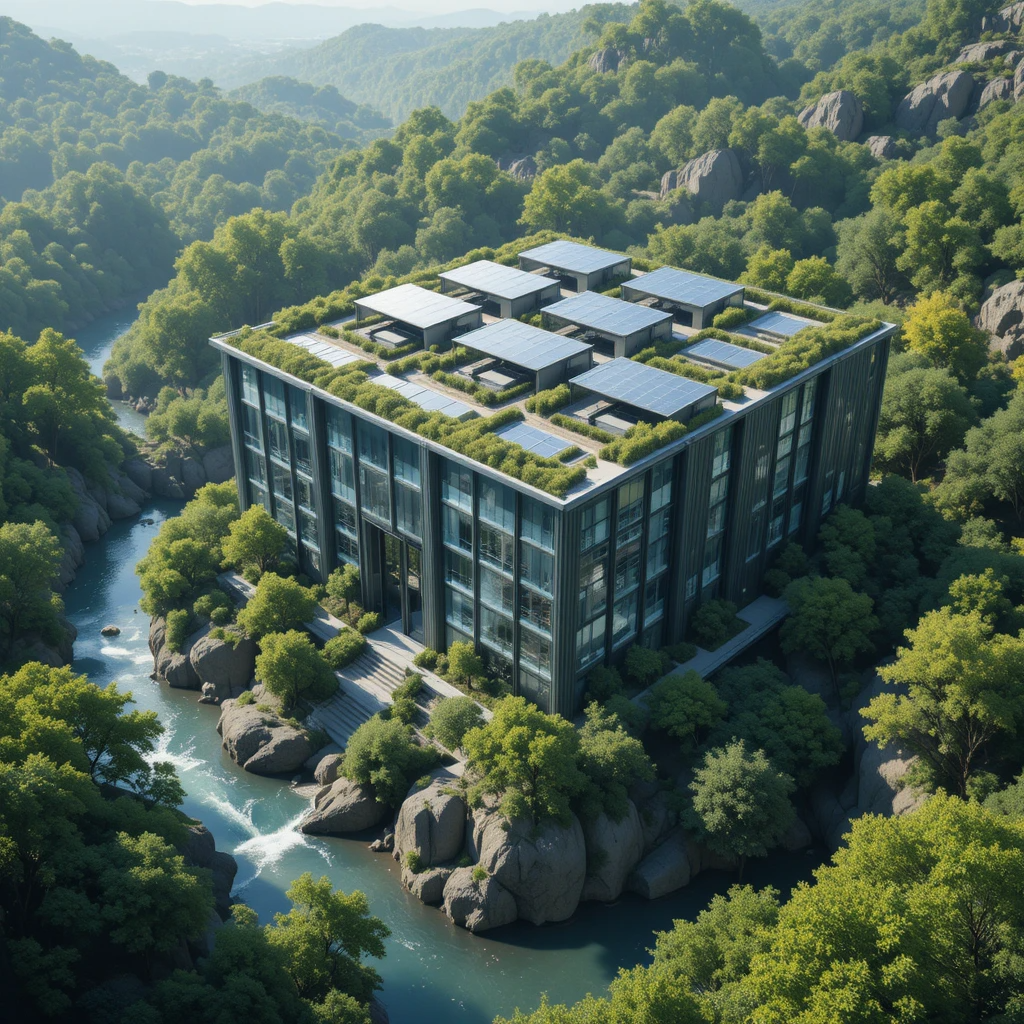
Yet, Green Data Center Innovations are accelerating. Quantum computing promises ultra-efficient processing, while neuromorphic chips mimic brains for low-power AI. Policy incentives like tax credits and carbon pricing will fuel adoption. By 2030, experts predict 70% of new data centers will be green-built.
Frequently Asked Questions
What are Green Data Center Innovations?
Green Data Center Innovations refer to technologies and practices that make data centers more energy-efficient, reduce carbon emissions, and promote sustainability, like advanced cooling and renewable integration.
Why do data centers need to go green?
Data centers consume massive electricity—equivalent to small countries—and contribute to global emissions. Green upgrades cut costs, meet regulations, and support net-zero goals amid rising data demands from AI and cloud services.
How does immersion cooling work in green data centers?
Servers are submerged in non-conductive liquids that absorb heat directly, using 95% less energy than air cooling. This innovation eliminates bulky fans and enables ultra-high-density racks.
What role do renewables play in Green Data Center Innovations?
Solar, wind, and hydro power data centers directly, often with battery storage for reliability. Companies achieve PUE under 1.1 by matching workloads to renewable peaks via AI forecasting.
Can AI make data centers greener?
Yes, AI optimizes cooling, predicts failures, and shifts loads dynamically—Google’s system cut energy by 40%. Digital twins simulate efficiency gains before implementation.
What are modular data centers?
Prefabricated, scalable units built off-site with sustainable materials, reducing construction emissions by 30%. They allow quick deployment and easy upgrades without full rebuilds.
How much energy can Green Data Center Innovations save?
Top facilities achieve PUE of 1.02-1.1, saving 30-50% on power versus traditional setups. Cooling alone drops from 40% to under 10% of total energy use.
What challenges do Green Data Center Innovations face?
High upfront costs, renewable intermittency, and varying regulations slow adoption. Supply chain issues for efficient chips also hinder progress.
Are there real examples of successful green data centers?
Microsoft’s underwater Natick project used seawater cooling; Apple’s Iowa site runs on 100% wind and biogas with PUE 1.02. Equinix hubs deploy liquid cooling for AI workloads.
What’s next for Green Data Center Innovations?
Quantum and neuromorphic computing for ultra-low power, plus edge processing to cut transmission losses. By 2030, 70% of new centers could be fully green.
Why Green Data Center Innovations Matter Now
The digital economy thrives on data, but unchecked growth risks environmental collapse. Green Data Center Innovations bridge this gap, ensuring scalability with sustainability. Businesses adopting them gain cost savings—up to 30% on ops—plus branding as eco-leaders. Investors pour billions into green tech, from venture funds to ESG mandates.
For operators, the shift is pragmatic: resilient against energy price spikes and climate disruptions. Individuals benefit too, as greener data means a cooler planet for streaming, remote work, and smart cities.
In conclusion, Green Data Center Innovations aren’t a niche trend—they’re the future of computing. By embracing them, we power progress without plundering resources. The tech exists; now it’s about widespread implementation.